Professional Polycarbonate Roofing Installations with Long-Lasting Performance
Enhance Your Outdoor Space Using Stylish and Durable Polycarbonate Awnings
Transforming an outdoor space can substantially improve its practical value and visual beauty. Polycarbonate awnings offer a refined option that combines longevity with usefulness. These structures not only provide essential shelter but also enable sunlight to flood the area. Their resistance to harsh weather conditions makes them a low-maintenance option for homeowners. Investigating the various benefits and design possibilities of polycarbonate awnings shows how they can elevate any exterior locale. What features make them stand out?
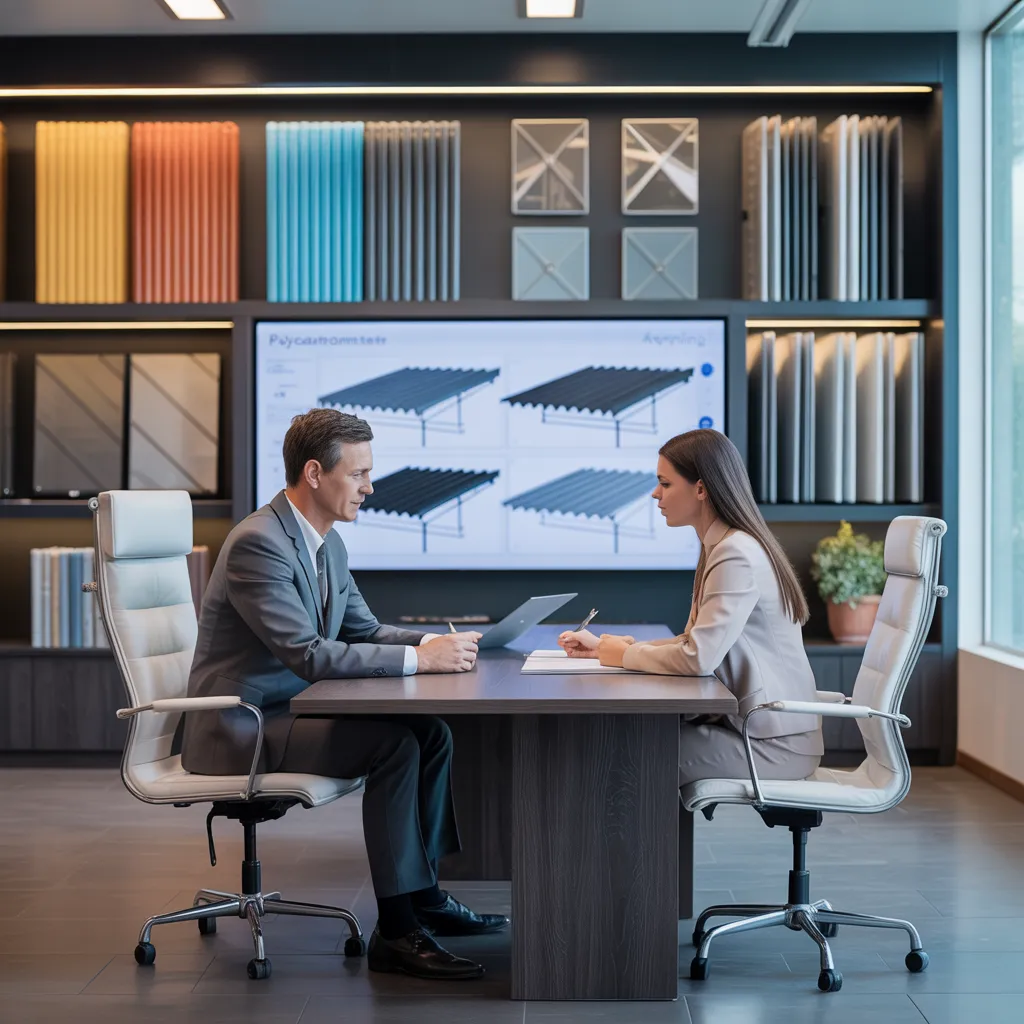
The Value of Using Polycarbonate Awnings
Polycarbonate awnings provide a range of advantages that enhance both functionality and aesthetics. Known for their durability, these awnings resist harsh weather conditions, including heavy rain and UV exposure, without fading or cracking. This resilience makes them a long-lasting investment for outdoor spaces. Additionally, polycarbonate materials are lightweight yet durable, allowing for multiple design options that can complement any architectural style.
The clarity of polycarbonate allows natural light to pass through while providing shelter from the elements. This characteristic creates a bright, inviting atmosphere in outdoor areas. Moreover, polycarbonate awnings are easy to maintain, needing little care to keep them looking new. Their versatility allows them to be used in residential, commercial, or recreational settings. Overall, polycarbonate awnings blend functionality and style, making them an excellent choice for improving outdoor environments while delivering reliable protection.
Analyzing Polycarbonate Awnings with Competing Materials
When examining outdoor awning options, polycarbonate performs best compared to time-honored materials like wood, fabric, and metal. Unlike wood, which can bend or decompose, polycarbonate features remarkable durability and resistance to weather conditions. Its lightweight nature simplifies installation, while wood often requires additional structural support.
Fabric awnings, despite being visually appealing, may lose color over time and demand routine maintenance to prevent mold and mildew. Polycarbonate, on the other hand, is UV-resistant and needs minimal upkeep, keeping its clarity and color for years.
Although metal awnings are robust, they may miss the design versatility that polycarbonate delivers. This material can be created in numerous forms and designs, allowing for a more customized approach to outdoor aesthetics. Ultimately, polycarbonate becomes a functional choice, blending style and longevity, making it an excellent alternative for enhancing outdoor spaces.
Determining the Financial outlay for Polycarbonate Awnings?
Grasping the cost of polycarbonate awnings involves evaluating various factors that affect pricing. Key components comprise the dimensions of the awning, the thickness of the polycarbonate panels, and the intricacy of the design. Bigger awnings generally incur higher costs due to greater material needs and installation challenges. Additionally, thicker panels may provide better durability and thermal protection, thereby impacting the overall price.
The kind of frame and structural system also has a major impact in expenses. Bespoke designs, while visually attractive, can additionally increase costs compared to standard options. Labor costs, which differ based on area wage standards and the complexity of the undertaking, should also be taken into account.
Finally, potential maintenance costs, although minimal for polycarbonate, should be taken into account. Assessing these elements assists homeowners make informed choices about their investment in durable and stylish outdoor options.
An simple step-by-step installation handbook for Polycarbonate Awnings
The placement of polycarbonate awnings necessitates careful preparation and the right tools. This guide explains vital supplies and preparation phases, confirming a effortless setup process. By following these steps, homeowners can achieve a stylish and functional addition to their outdoor space.
Implements And Elements You'll Need
Installing polycarbonate awnings requires a particular collection of tools and materials to ensure a smooth and efficient process. Essential tools comprise a electric drill, spirit level, measuring tape, and a cutting tool for accurate cutting. Furthermore, a ladder may be necessary for accessing important guide elevated mounting locations. For materials, polycarbonate sheets, support brackets, and screws are essential. waterproof sealants and bonding agents ensure durability and protection from the elements. Safety equipment is likewise suggested for secure handling during setup. Preparing all necessary tools and materials in advance can prevent delays and complications, rendering the installation process smooth and efficient. Proper organization of tools will add to a better-organized work area, improving total output.
Preparation And Planning Methods
Getting ready and organizing are vital for a effective polycarbonate awning setup. First, the location must be evaluated to guarantee optimal sunlight exposure and aesthetic appeal. Next, measurements should be taken to determine the appropriate size of the awning, considering any structures or landscaping nearby. It is important to review local building codes and acquire necessary permits, assuring compliance with regulations. Additionally, choosing the right mounting hardware and tools, based on the awning's weight and design, is important. A detailed plan should be created, outlining each step of the installation process. Finally, collecting all materials before starting will expedite the process and minimize delays, setting the stage for an efficient installation.
Installation Procedure Overview
Initiate the assembly of polycarbonate awnings by thoroughly examining the prepared plan and materials. Afterward, obtain necessary tools, including a drill, level, and measuring tape. Mark the installation area on the surface or framework, ensuring it aligns with the plan. Then, install the support brackets firmly, verifying for proper alignment. After the brackets are in position, carefully position the polycarbonate panels. Fasten them with screws, guaranteeing a snug fit to avoid leaks. It's important to leave proper spacing for temperature fluctuations. After securing, attach extra edging or sealant to improve appearance and durability. Ultimately, conduct a thorough inspection to confirm stability and finished state, making certain the covering is prepared for use.
Arranging Concepts for Your Yard
Studying creative solutions for outdoor spaces reveals that colors and visual designs serve as an essential element in boosting appearance. Moreover, practical spatial planning make certain the space remains not only visually appealing yet also useful for daily use. Working together, these elements create a harmonious environment that complements stylish polycarbonate awnings.
Color Schemes and Designs
While picking colors and designs for polycarbonate awnings, homeowners should think about how these options can improve their outdoor space. A properly selected color can establish a harmonious appearance that complements existing landscaping and architecture. Subtle colors, like beige or gray, offer versatility, while striking hues, such as deep blue or vibrant red, can create a bold impression. Designs, such as stripes or geometric designs, introduce visual interest, allowing homeowners to express their personal style. It's essential to consider the overall theme of the outdoor area; for instance, coastal themes may benefit from lighter hues and soft patterns, whereas modern spaces can adopt darker shades and sleek designs. Ultimately, the perfect mix can transform an outdoor area into a stylish retreat.
Functional Design Planning
A careful layout can greatly enhance the functionality of outdoor spaces featuring modern polycarbonate awnings. To maximize usability, it is essential to define distinct zones, such as dining, lounging, and gardening areas. Placing furniture under the awning provides cover from the elements while guaranteeing comfort. Incorporating pathways can improve movement between zones, enhancing accessibility. Additionally, utilizing modular furniture allows for flexibility, enabling adjustments based on gatherings or seasonal changes. Integrating greenery, like potted plants or vertical gardens, can create a lively atmosphere while improving air quality. Finally, incorporating lighting options guarantees the space remains inviting after sunset, facilitating year-round enjoyment. A well-planned layout transforms an outdoor area into a functional and aesthetically pleasing retreat.
Simple Upkeep Tips for Polycarbonate Awnings
Proper maintenance of polycarbonate awnings ensures their longevity and visual appeal. To preserve these installations in optimal shape, it is important to clean them regularly. A gentle solution of mild soap and water applied with a soft cloth or sponge can adequately remove dirt and debris without damaging the surface. Avoid using harsh cleaners or tools that may damage the material.
Inspecting the canopies periodically for damage signs or damage is also essential. Addressing any faults, such as fissures or loose fittings, promptly can prevent further deterioration. Additionally, making sure that gutters and drainage systems are clear helps prevent water buildup, which can lead to structural problems.
Finally, applying a ultraviolet shield engineered for polycarbonate can improve longevity and preserve transparency. By adhering to these simple maintenance tips, homeowners can guarantee their polycarbonate awnings stay functional and visually appealing for years to come.
Optimizing Your Patio Satisfaction Year-Round With Awnings
How might residents transform their outdoor spaces into year-round retreats? Polycarbonate awnings serve as an practical answer, delivering both style and usefulness. These durable awnings create sheltered regions that defend against seasonal weather, making it possible for residents to appreciate their patios and gardens come what may the elements.
When you incorporate polycarbonate awnings, outdoor spaces obtain enhanced comfort and usability. These installations offer shade during hot summer months, making al fresco dining or relaxation more appealing. In the cooler seasons, the awnings contribute to retain warmth, creating inviting spaces for gatherings or quiet moments.
Furthermore, the contemporary appearance of polycarbonate matches various architectural styles, ensuring that these awnings are not only practical but also aesthetically pleasing. When installed correctly, homeowners can greatly extend their outdoor living season, building a connection with nature throughout the year. In the end, polycarbonate awnings elevate the outdoor experience, making it a year-round sanctuary.
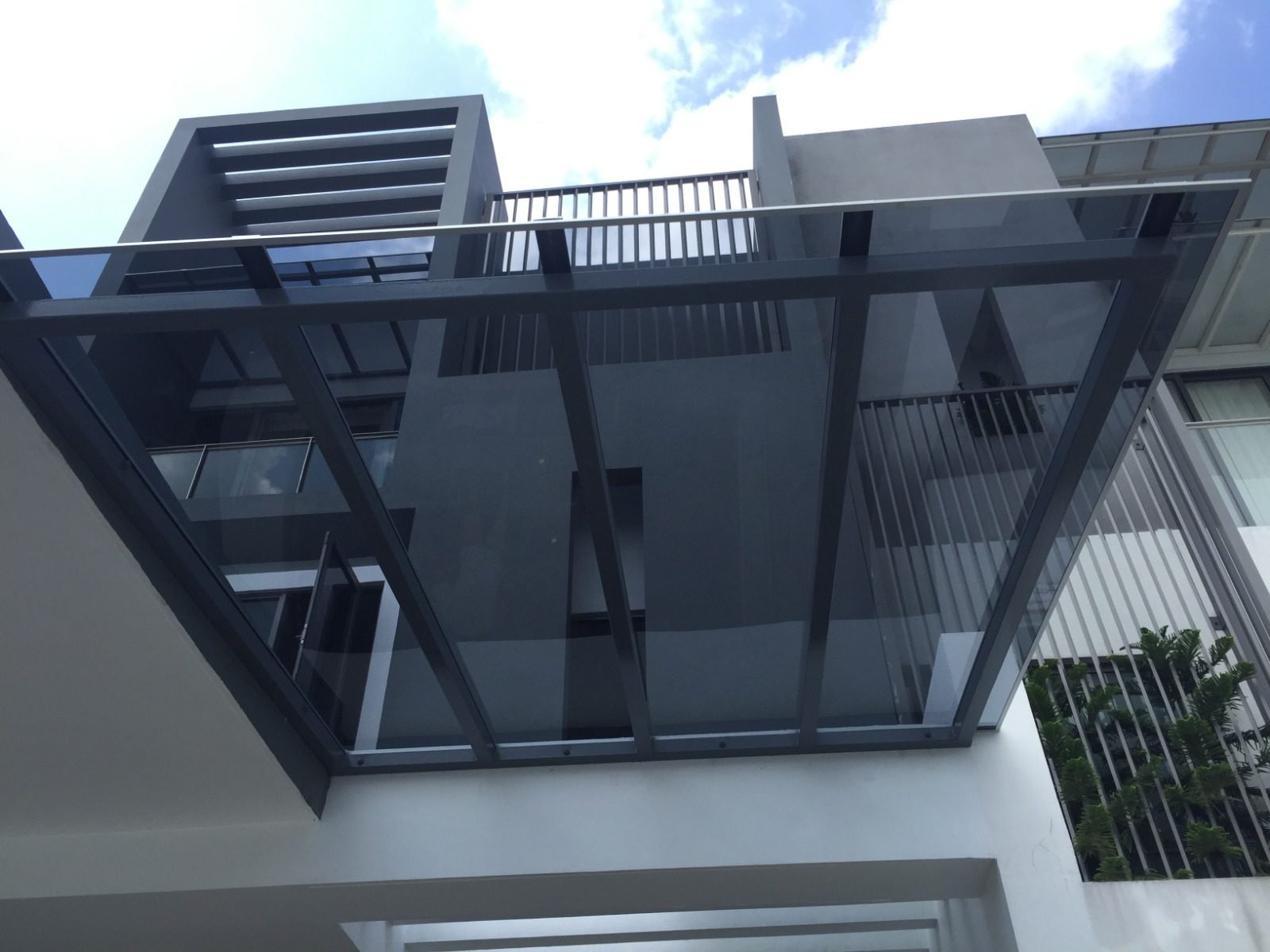
Top Asked Questions
Will Polycarbonate Awnings operate reliably in Extreme climatic events?
Polycarbonate awnings function effectively in severe climatic conditions. Their endurance and protection to UV rays, hail, and heavy rain make them a strong choice for preserving outdoor spaces in various climates and environments.
Are Polycarbonate Awnings Suitable for Coating or Alteration?
Polycarbonate awnings can be customized or painted, though it's necessary to use appropriate paint and techniques to guarantee adhesion and durability. Customization strengthens aesthetics while maintaining the material's inherent strength and weather protection.
Which Hue Varieties Are Available for Polycarbonate Awnings?
Polycarbonate awnings are available in multiple colors, including clear, bronze, and opal. These choices permit for customization to match diverse aesthetics while providing UV protection and preserving durability for outdoor spaces.
How Many Years Will Polycarbonate Structures Generally Last?
Polycarbonate awnings typically last between 10 to 20 years, depending on factors such as climate, maintenance, and installation quality. Their strength and impact resistance make them a preferred option for outdoor applications.
Do Polycarbonate Awnings Offer UV Protection?
Polycarbonate awnings do provide UV protection, successfully preventing damaging UV radiation while allowing natural light to pass through. Their durability and resilience to environmental conditions make them a sensible option for enhancing outdoor safety and comfort.